
Crypto Payment Statistics: Monthly NanoGPT Merchant Data
Monthly cryptocurrency payment statistics from NanoGPT, tracking real merchant deposit volume across Monero, Nano, Bitcoin, Lightning, stablecoins, Litecoin, Zcash, and more.
Updates, guides, and insights
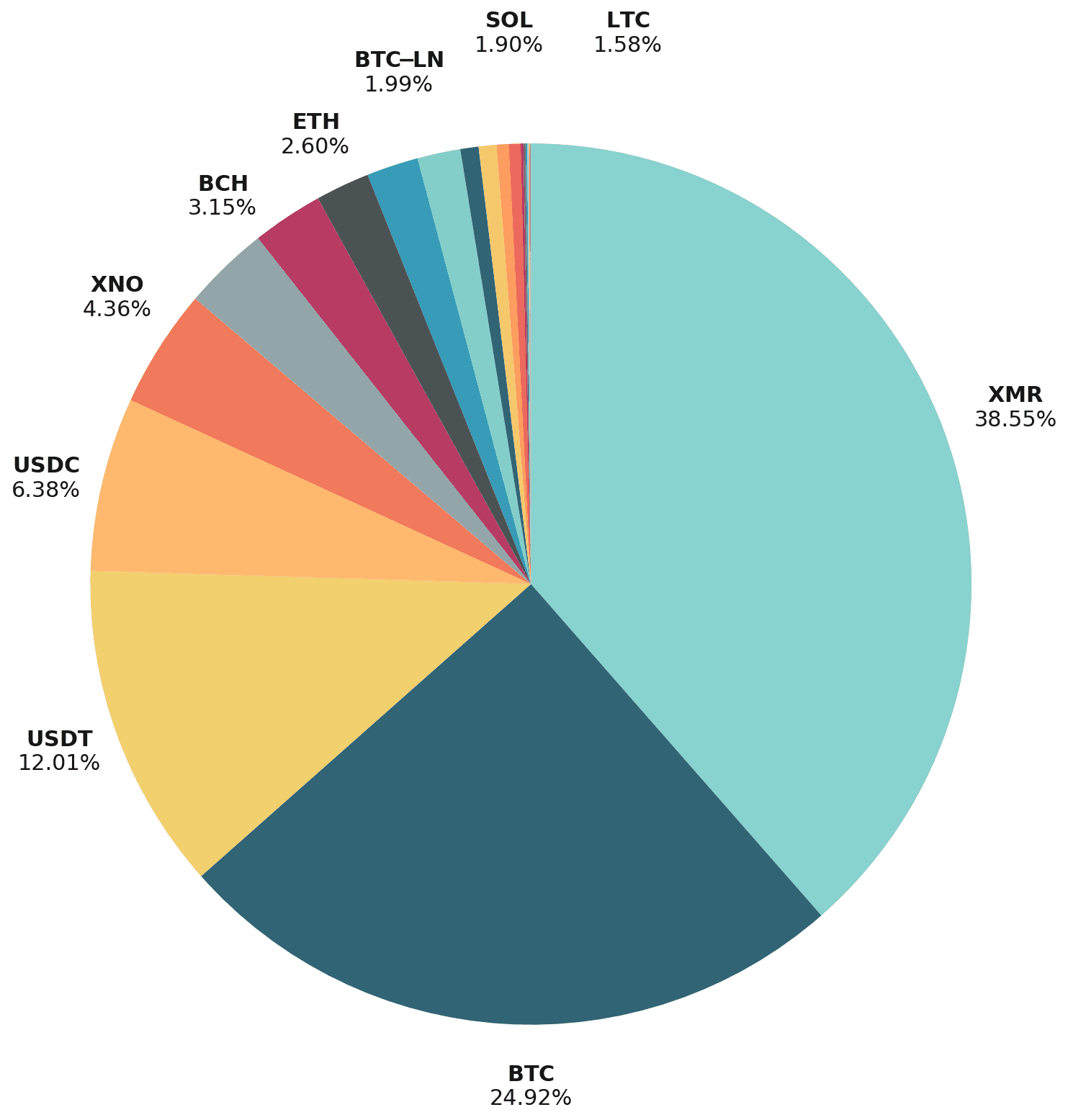
August 2026 NanoGPT crypto deposit data, with Monero first at 38.55%, Bitcoin plus Lightning at 26.90%, and USDT plus USDC at 18.39%.
Monthly cryptocurrency payment statistics from NanoGPT, tracking real merchant deposit volume across Monero, Nano, Bitcoin, Lightning, stablecoins, Litecoin, Zcash, and more.
NanoGPT can now enforce provider-declared Zero Data Retention across web chat, API keys, teams, fallbacks, and Auto Model routing.
NanoGPT Global Memory is now local-first, clearer about encryption, stricter about unsafe suggestions, and easier to inspect, edit, disable, and delete.
Showing

Export, validate, and deploy models with ONNX for cross-framework inference - opset choices, runtime checks, and common failure fixes.

Start with Adam/AdamW, peak LR ~6e-4–1e-3, linear warmup + cosine decay, global-norm clipping 1.0; tune optimizer, schedule, model size, and window.
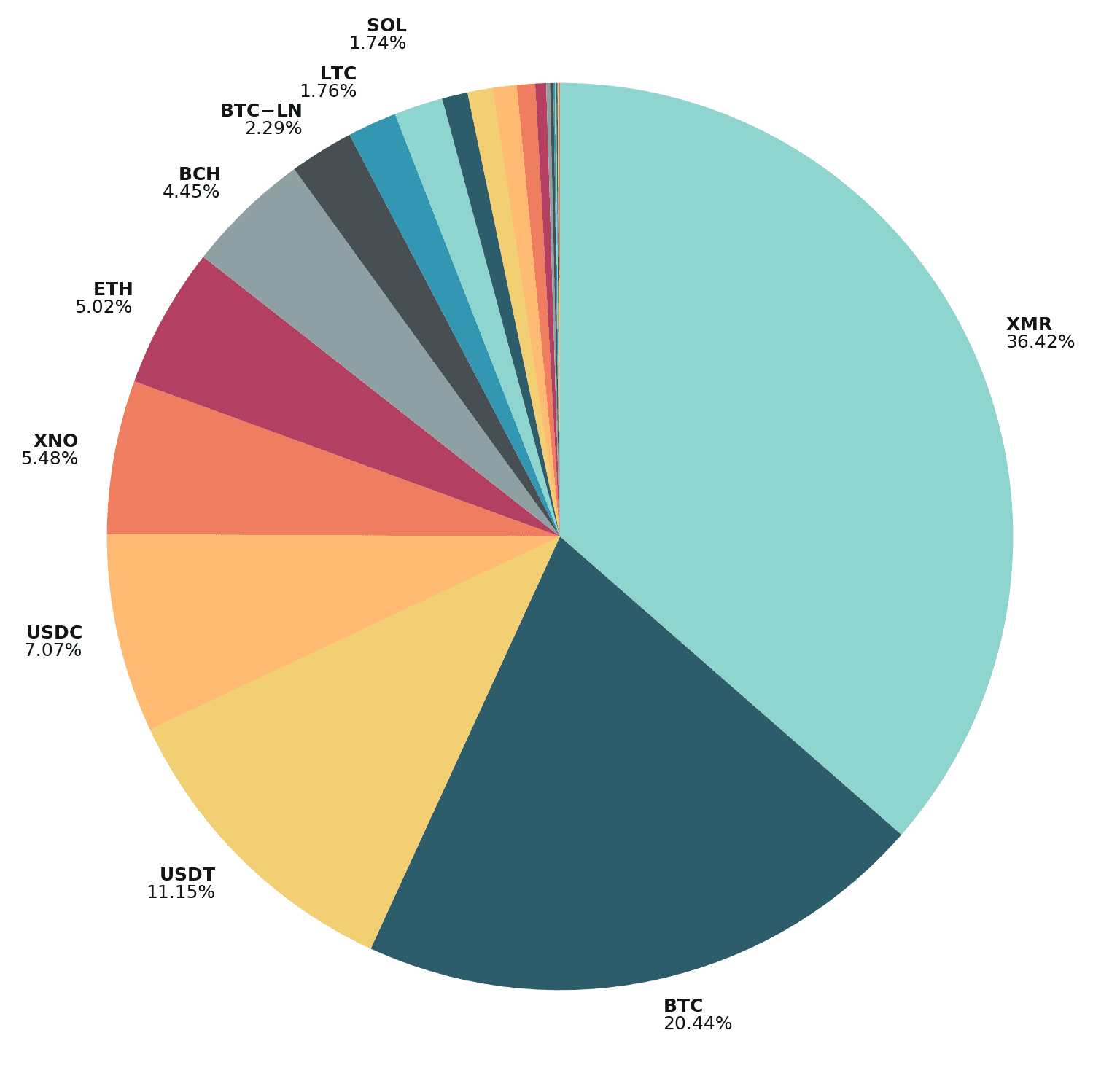
July 2026 NanoGPT crypto deposit data, with Monero first at 36.42%, Bitcoin plus Lightning at 22.73%, and USDT plus USDC at 18.22%.
Anthropic reports gains for Claude Opus 5 in coding, computer use, knowledge work, and scientific research. See what the launch results suggest, their limits, and when Opus 5 is worth testing.

How context length, KV-cache growth, and attention choices trade memory, latency, and recall in LLMs—practical fixes for local setups.
Celeris 1 uses diffusion-based text generation for short tasks. See its provider-reported speed results, benchmark caveats, NanoGPT limits, pricing, and a small API test.